
Samsung Solve for Tomorrow
Smarter Sport
Power Up
Kickstart your tech-for-good ideas for this theme!
Big picture: What could the future of smarter sport look like?

1. Making sport accessible to everyone
Many people face barriers to sport because of cost, disability or where they live. Around 31% of adults worldwide do not achieve recommended activity levels. The International Olympic Committee (IOC)’s “Sport for All” initiative encourages people of all backgrounds and abilities to take part in sport and physical activity, and Smarter Sport can help make this possible.

2. Helping people stay active throughout their lives
Being active is important at every age, supporting health, wellbeing and social development. Yet more than 80% of adolescents worldwide do not get enough physical activity, and participation often falls further in adulthood. Older adults can also face barriers such as reduced mobility, health conditions, social isolation and limited access to suitable activities.

3. Closing the gap between elite and everyday athletes
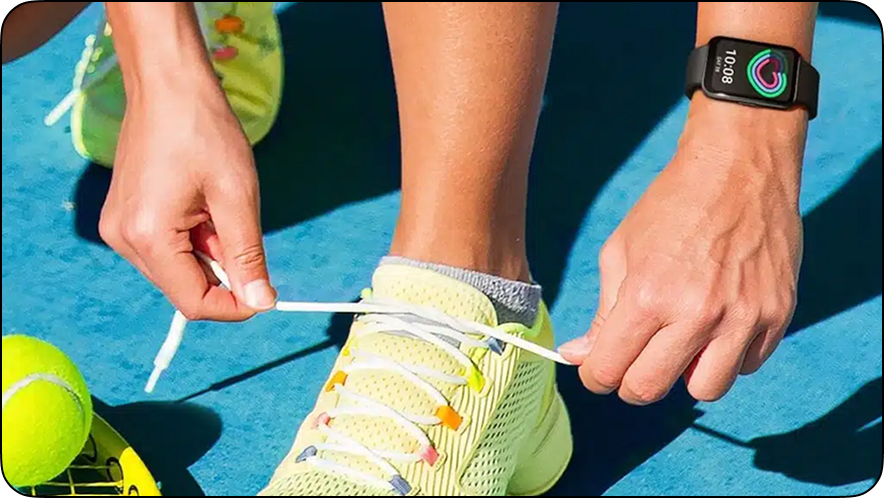
Professional athletes often have access to expert coaching, advanced data and personalised training that most people do not. Technology is helping to close that gap – more than 600 million wearable devices were shipped in 2025 alone. However, access to expert coaching and insights remains uneven.

4. Using technology to improve participation and performance
Physical inactivity could cost health systems around £220 billion between 2020 and 2030, highlighting the need for new ways to help people get active. Technology such as smartphones, wearables, connected equipment and AI can help people track progress, discover activities, set goals and stay motivated, making sport more engaging and rewarding.

5. Making sport safer and fairer
Technology can help reduce injuries and improve fairness. For example, sensors can monitor movement, equipment can be adapted for different needs, and data can help coaches support participants safely. That’s why the IOC supports research into technology that supports athlete health. But as participation grows, so will the demand for technology that makes sport safer, fairer and more accessible.
In the news
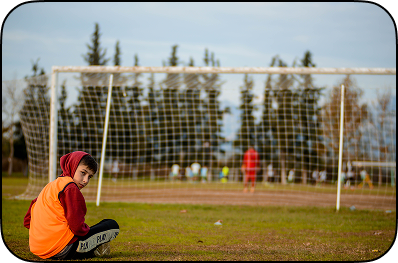
Recent Sport England research found that more young people are meeting recommended activity levels, but inactivity remains high among children from less affluent families. Similar concerns have been raised in Wales, where researchers continue to highlight inequalities in access to sport and physical activity.
Problem spotlight: How can we make “Sport for All” a reality?
Physical activity can help people stay healthy, manage stress, build friendships and build confidence. Yet many young people face barriers to participation, including cost, limited local facilities, accessibility challenges and activities that do not reflect their interests or needs.
The IOC’s Sport for All approach recognises that everyone should have the opportunity to take part in sport and physical activity. Technology can help remove barriers, but current solutions still have limitations.
What inclusive sports solutions can look like
Adaptive sports equipment
Main strengths:
- Opens up sport to more people.
- Supports greater independence and confidence.
Challenges:
- Specialist equipment can be expensive.
- Equipment may need custom fitting, training or maintenance.
Digital coaching platforms
Main strengths:
- Makes coaching more accessible.
- Can provide personalised support.
Challenges:
- Requires access to devices and internet connections.
- May not provide the motivation and social connection of in-person coaching.
Wearables and activity trackers
Main strengths:
- Provides real-time feedback on performance and activity.
- Helps people identify patterns and track improvement over time.
Challenges:
- Devices can be costly.
- Tracking data does not always lead to lasting behaviour change.
Active gaming
Main strengths:
- Makes physical activity feel more fun and rewarding.
- Can reach young people who are less interested in traditional sports.
Challenges:
- Interest can fade once the novelty wears off.
- Some games may not deliver sustained physical activity.
Community sport platforms
Main strengths:
- Helps people find activities that match their interests and needs.
- Makes it easier to connect with local teams, clubs and communities.
Challenges:
- Local opportunities may still be limited.
- Finding an activity does not remove barriers such as cost, transport or confidence.
Your challenge
Many current technologies are designed to help people who are already active become even more active, or help athletes improve performance.
But what about the people who are currently missing out?
Could you:
- Help young people discover activities that suit their interests?
- Make sport more accessible for people with disabilities?
- Reduce cost barriers that prevent participation?
- Use technology to help people build confidence and motivation?
- Connect communities with local sporting opportunities?
- Create entirely new ways for people to be active?
How might technology help more young people become active, included and inspired through sport?
Remember:
This spotlight is just one example of a real-world issue within the Smarter Sport theme. Explore a challenge that interests you!