
Samsung Solve for Tomorrow
Greener Future
Power Up
Kickstart your tech-for-good ideas for this theme!
Big picture: What does a “greener future” look like?
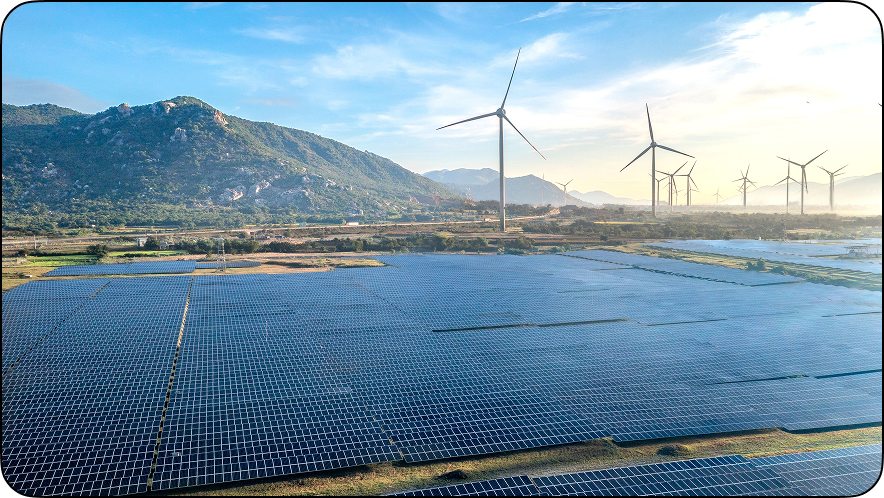

1. Using clean energy
We use energy every day, but much of it still comes from fossil fuels that contribute to climate change. Renewable sources such as wind and solar are growing, and in 2025 they generated more than half of the UK’s electricity. The shift to fully renewable energy continues.

2. Reducing waste and encouraging reuse and upcycling
Huge amounts of materials are thrown away after a single use. The world uses up to 5 trillion plastic bags each year. A greener future means keeping products and materials in use through repair, reuse, sharing and upcycling.

3. Protecting nature and biodiversity
Humans rely on nature for food, water and other resources, but pollution and overuse of natural resources are putting habitats and wildlife at risk. Protecting nature and biodiversity is an important part of a greener future.

4. Adapting to extreme weather and climate change
Climate change is already bringing more frequent extreme weather, including flooding, heatwaves and droughts. Demand is growing for technologies that help people prepare for and respond to these challenges.

5. Empowering communities to live sustainably
The choices we make about transport, housing, food and green spaces all affect the environment. Communities often understand local needs best and are exploring ways to create healthier, greener places to live.

In the news
In the news The UK has introduced new Packaging Extended Producer Responsibility (pEPR) rules, which make companies more responsible for the packaging they create and the waste it becomes. The idea: if businesses help cover collection and recycling costs, they have a stronger incentive to use less packaging and make it easier to recycle.
Problem spotlight: Why is waste a design challenge?
When most people think about waste, they think of recycling. However, recycling still uses energy, and many products are difficult to recycle or can only be recycled a limited number of times. That’s why many experts believe we need to rethink product design from the start.
The circular economy keeps products and materials in use longer through repair, reuse and refurbishment rather than disposal. The Design Council’s Design for Planet mission encourages designers to create products, services and systems that reduce waste, reuse materials and support a regenerative future and their Skills for Planet programme ensures that designers have the skills needed to do so.
So what might circular solutions look like in practice?
Designing out waste from the start
Main strengths:
- Prevents waste rather than managing it later.
- Can reduce environmental impacts across the whole product lifecycle.
Challenges:
- Often requires businesses to rethink existing products and systems.
- Can take time and investment to implement at scale.
Designing products to last longer
Main strengths:
- Fewer products need to be manufactured.
- People buy replacements less often.
Challenges:
- Durable products can cost more upfront and may not break down at end of life.
- Some products are still difficult to repair or upgrade.
Repair and maintenance services
Example: Samsung’s Self Repair allows users to purchase genuine parts and repair selected devices themselves, helping extend product lifespans and reduce electronic waste.
Main strengths:
- Extends the life of products.
- Reduces waste and demand for new materials.
- Can create emotional attachment and investment in products.
Challenges:
- Repairs can be expensive or inconvenient.
- Spare parts and repair skills are not always available.
Reuse and sharing systems
Example: Samsung’s Galaxy Upcycling initiative explored how older Galaxy smartphones could be repurposed as smart home devices, such as light or sound sensors, giving existing products a new purpose rather than turning them into waste.
Main strengths:
- Fewer new products are needed.
- Resources are used more efficiently.
Challenges:
- Requires organisation and habit change.
- Not suitable for every type of product.
Recycling systems
Main strengths:
- Reduces the amount of waste sent to landfill.
- Allows valuable materials to be used again.
Challenges:
- Not all materials can be recycled easily.
- Recycling still uses energy and resources.
Your challenge
Many current solutions help reduce waste, but no system is perfect.
Could you:
- Help people repair products instead of replacing them?
- Create new ways to share, borrow or reuse items?
- Develop smarter packaging that creates less waste?
- Help communities prepare for extreme weather while using resources more efficiently?
The challenge: How might technology help people waste less, reuse more and make better use of the world’s resources?
Remember:
This spotlight is just one example of a real-world issue within the Greener Future theme. Explore a challenge that interests you!